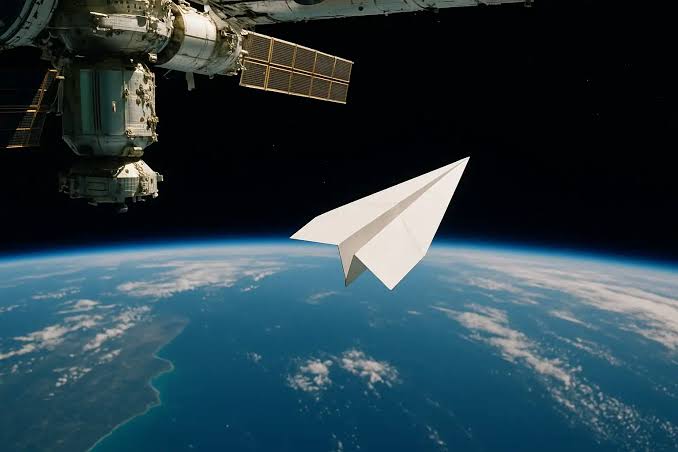
What Happens When You Throw a Paper Plane From Space? These Physicists Found Out
What would happen if you threw a paper airplane from the International Space Station? It's just the sort of idea that might emerge from a curious child — or...
Science news from Google News (RapidAPI).
7586 articles
What would happen if you threw a paper airplane from the International Space Station? It's just the sort of idea that might emerge from a curious child — or...
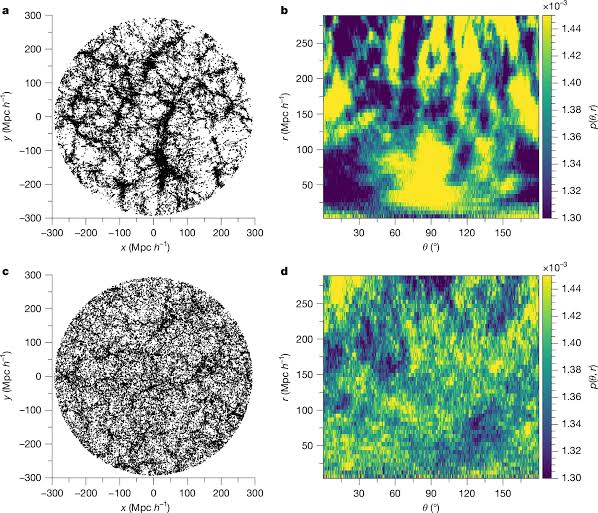
Earlier this year, the Dark Energy Spectroscopic Instrument (DESI) completed observations that mapped 47 million galaxies across 11 billion light-years,...
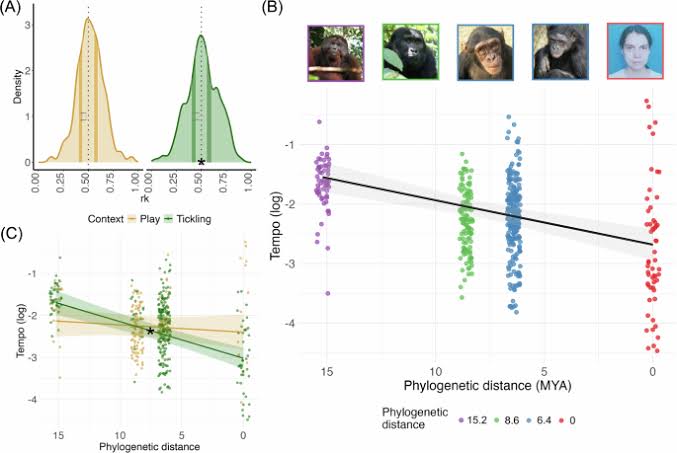
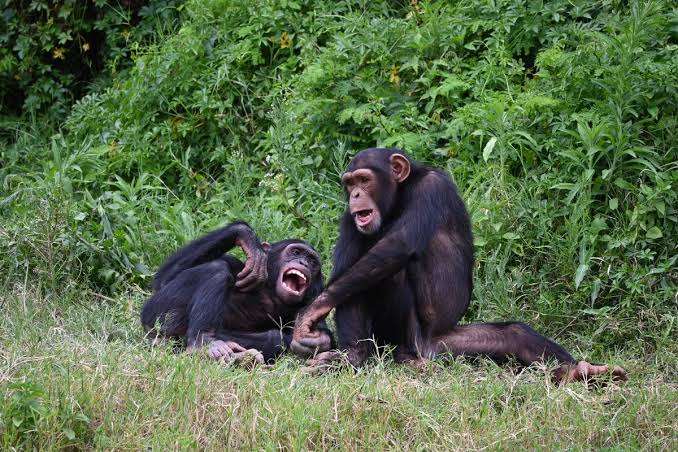
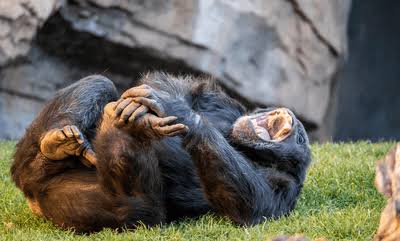
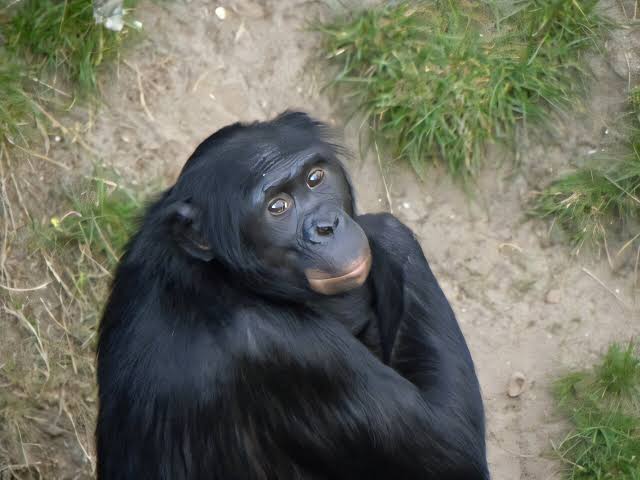
Laughter is an important, universal form of human non-linguistic vocal expression and, being shared by all extant great apes, offers a valuable proxy for...
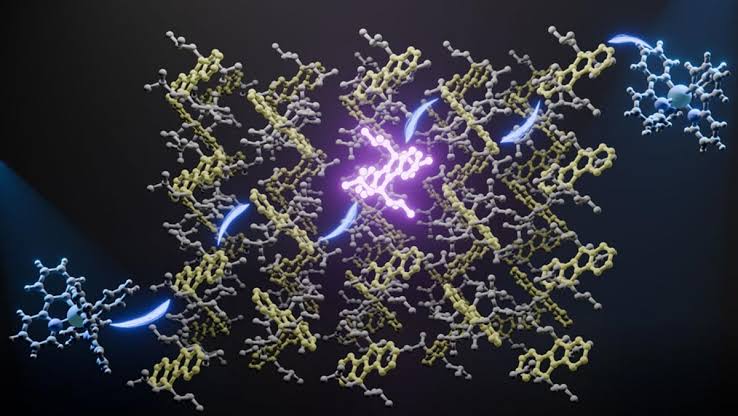
Sunlight just got an upgrade: Scientists have developed a material that converts ordinary sunshine into UV light, opening new possibilities for...
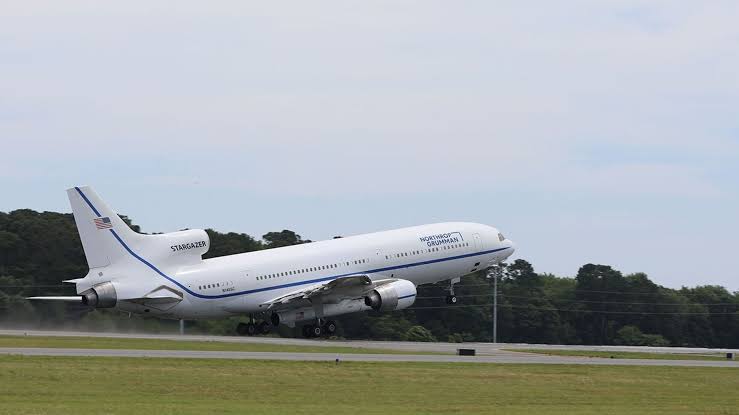
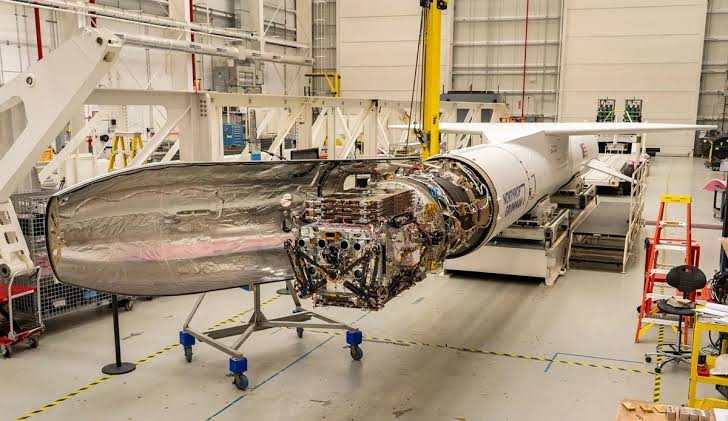
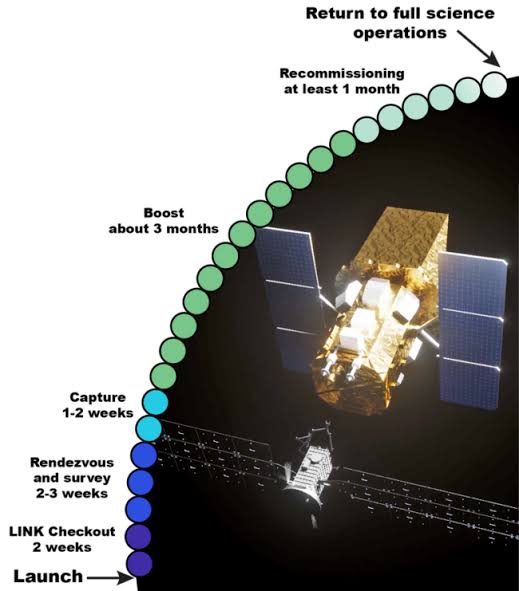
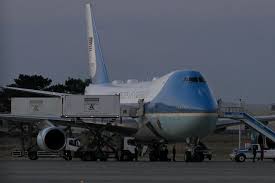
An airplane began its journey across the Pacific on Thursday, June 18, with a rocket strapped to its belly. Inside that rocket was a rescue mission — a...
NASA mission to rescue its Swift Observatory from the brink has relied on Virginia, with Northrop Grumman supplying the rocket and Wallops for where the...
Sound doesn't leave a fossil record behind, making it difficult to trace the origins of song, speech and language – but researchers have found a way.
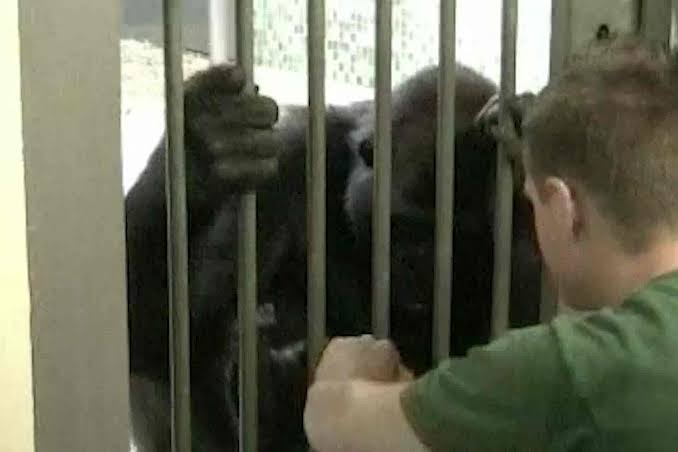
Ever wondered what it's like to tickle an ape? Turns out, they bloody love it, and lose their minds laughing just like we do.
A study of chimps, gorillas and other great apes, including human children, sheds light on how laughter has evolved.
Great apes may have been laughing with a similar rhythm to modern humans for at least 15 million years, a University of Warwick study reveals.
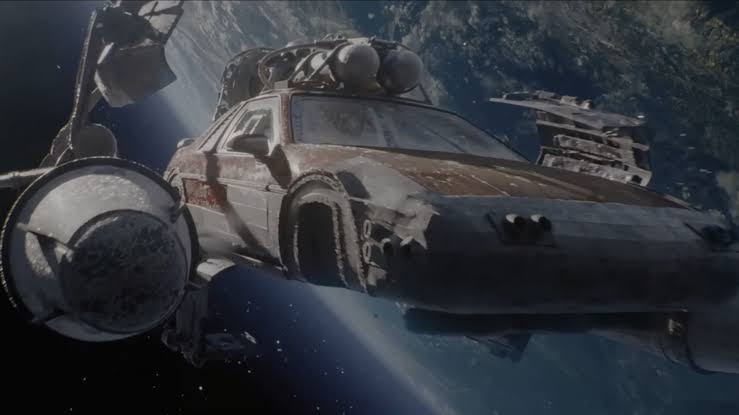
Even Universal Pictures thought it was silly when Fast & Furious took a car into space in 2021. Pump the brakes on the jokes, though, as the experts reveal...
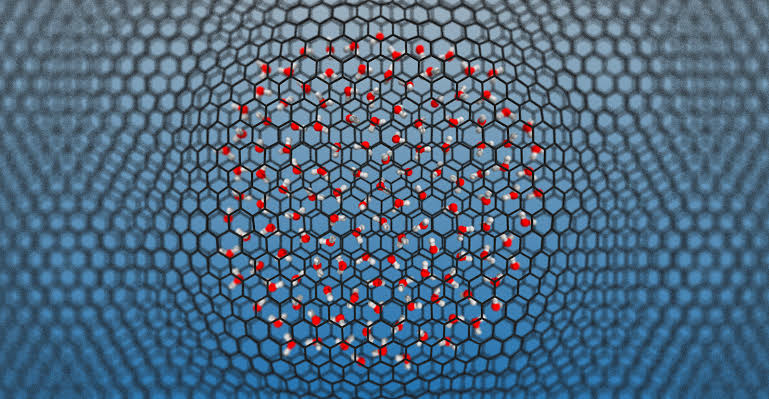
Water is the most studied molecule on Earth, yet a surprisingly basic question has gone unanswered for decades: When water is squeezed into gaps just a few...
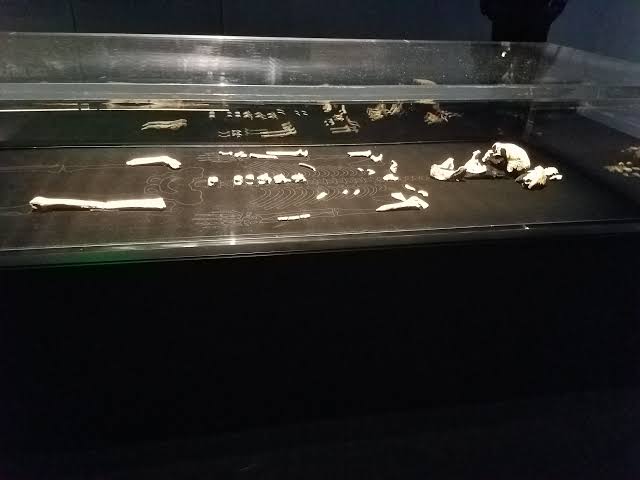
There is no natural explanation," says paleoanthropologist John Hawks.
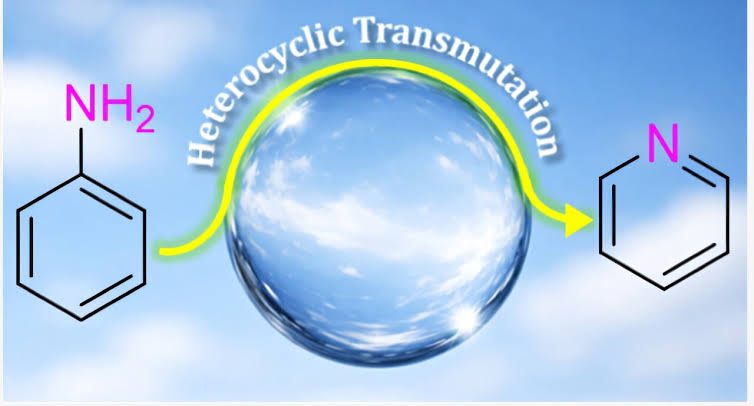
Water microdroplets convert aniline into pyridine at the air–water interface under ambient conditions, without added catalysts, oxidants, or extra reagents.
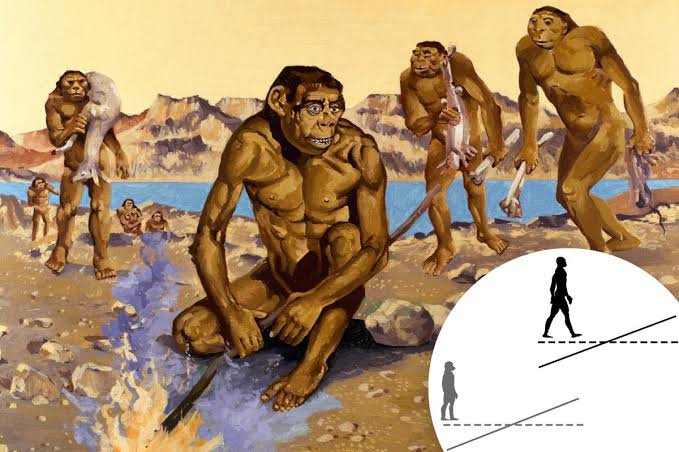
Our prehistoric ancestors experienced a rapid growth spurt between 2 and 2.5 million years ago, coinciding with increased meat consumption and more...
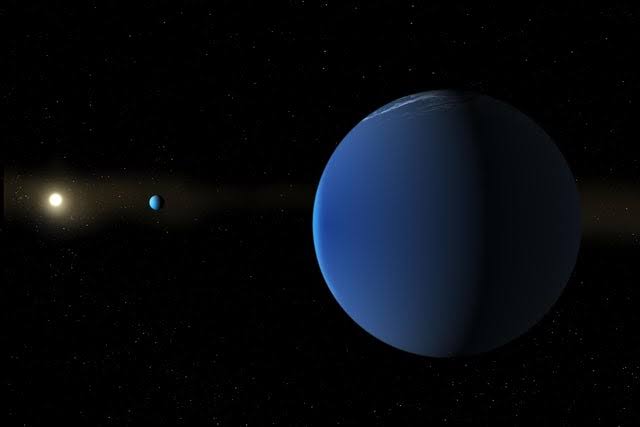
The featherweight pair — orbiting a star 1110 light-years away — are the biggest exoplanets found to have less density than cotton candy.

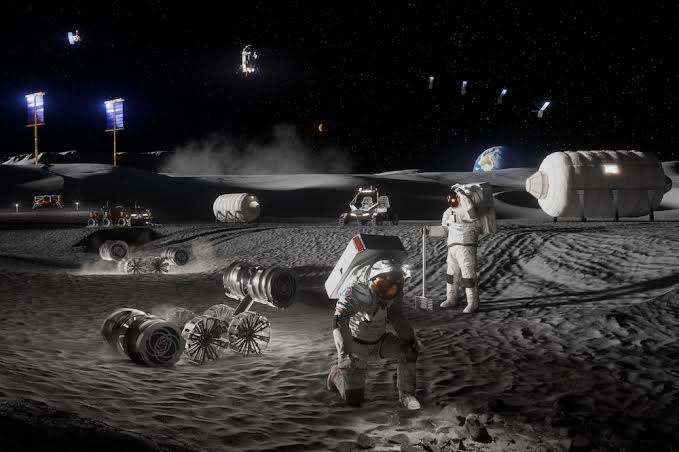
NASA has published its latest plans for a moon base, but do they have too much gravity? Will Wiles looks for more delight in the details.
Gravity, the force that attracts objects toward each other, is currently framed by Albert Einstein's theory of general relativity.
NASA plans to save the Swift spacecraft with a rescue mission that will boost the spacecraft higher into orbit. Currently, its orbit is decaying quickly.
Four NASA exploration projects that the agency stopped earlier this year as part of Artemis changes suffered overruns that saw their costs more than double.