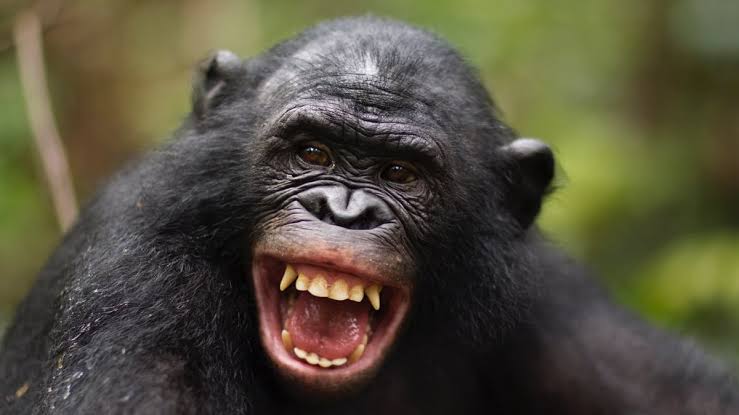
Humans And Apes Have Laughed The Same Way For Millions of Years, Study Suggests
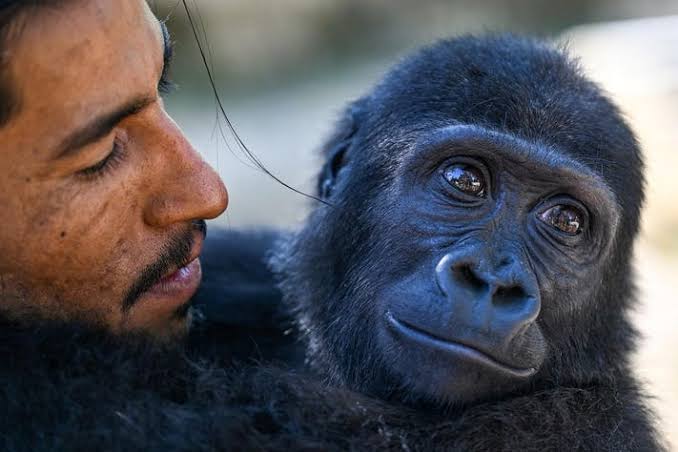
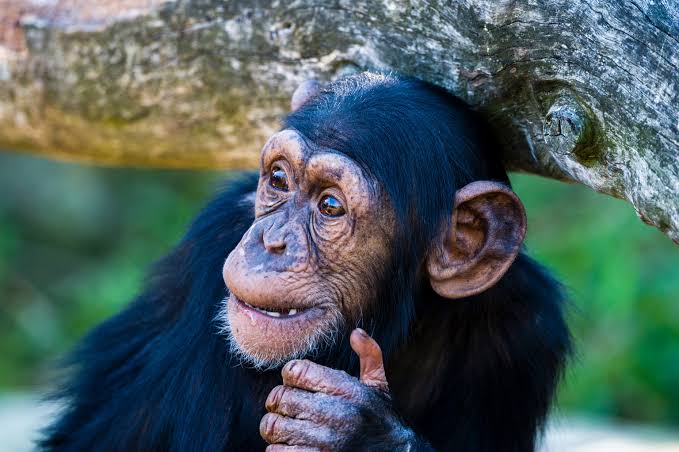
NEW YORK (AP) – Humans and great apes have been giggling in similar ways since branching off the evolutionary tree, a new study suggests.
Science news from Google News (RapidAPI).
7586 articles
NEW YORK (AP) – Humans and great apes have been giggling in similar ways since branching off the evolutionary tree, a new study suggests.
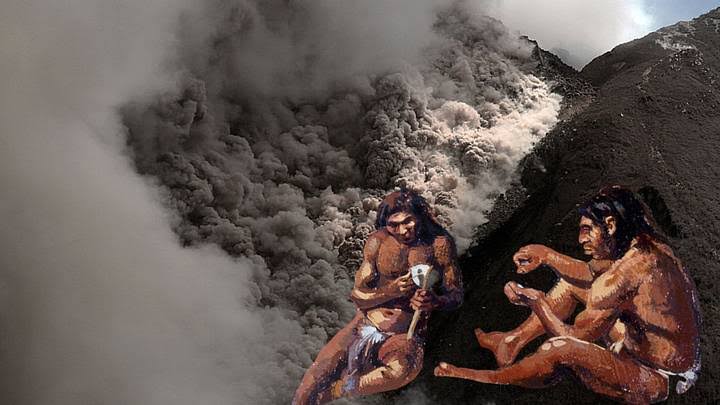
All modern humans may descend from a small group of people who survived a catastrophic event just over 70000 years ago.

A study of 140 laughter sequences found the same rhythmic timing pattern in humans, chimps, gorillas, bonobos and orangutans.
Webb's NIRCam detected S/2025 U1 in February 2025, a roughly 10-kilometre inner moon of Uranus too faint for Voyager 2 or Hubble.
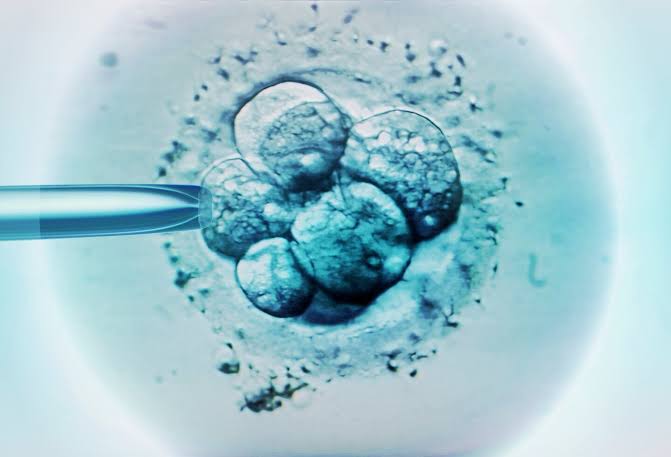
Base editing, the process used to make the changes, only nicks one strand of DNA, avoiding the major DNA errors that made CRISPR unsafe.
What's the story behind the T-Rex car seen driving around south Minneapolis? Meet Battletrain.
After a cocoon sat in a woman's backyard, she began to wonder whether it would ever hatch.
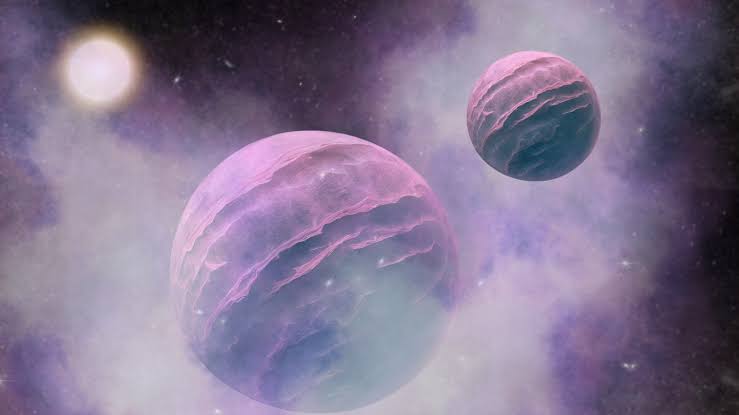
Astronomers have discovered two "super-puff" exoplanets orbiting the same star. They have densities lower than candy floss, making them the lightest worlds...
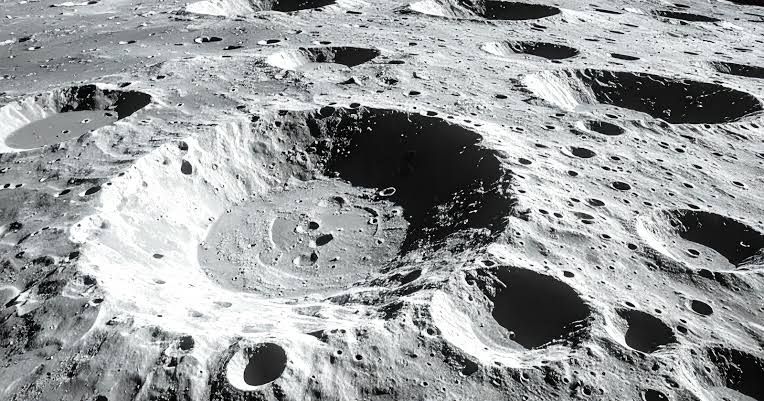
The Moon is easy to misread from Earth. It looks dry, grey, and inert, a world of dust and stone with no rivers, clouds, or blue trace of atmosphere.
Lunar architecture isn't just an engineering challenge. At its heart, it is about understanding human experience at the extremes.
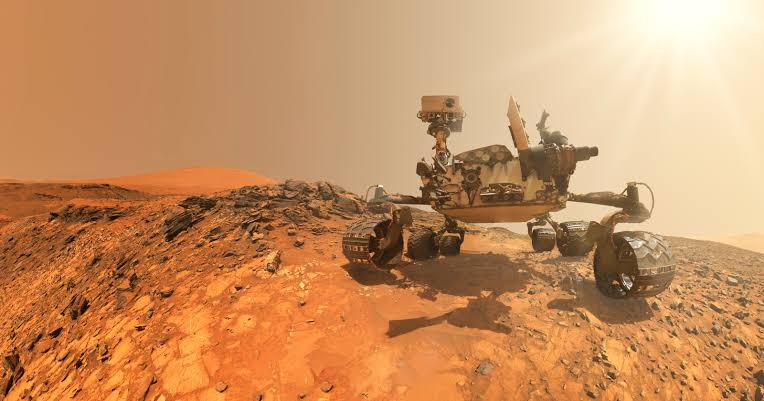
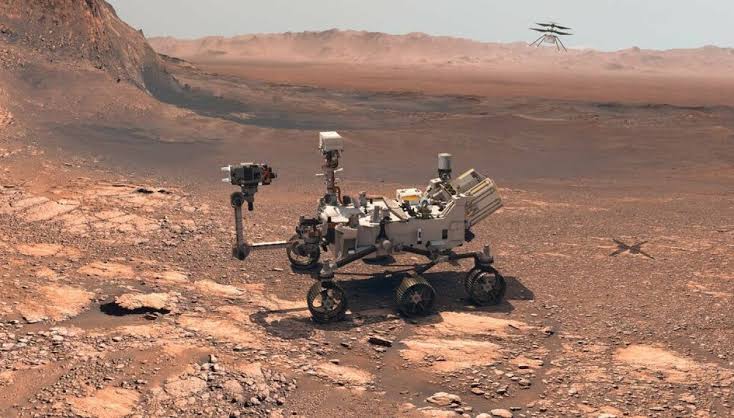
Curiosity's Mary Anning 3 sample contained the most diverse collection of organic molecules yet found in a Martian rock, including seven first detections on...
LEIDEN, THE NETHERLANDS—According to a statement released by Leiden University, Marie Soressi of Leiden University and her colleagues analyzed the genomes...
LEIPZIG, GERMANY—Live Science reports that proteomic analysis of 20 Homo naledi teeth determined that all of the individuals to whom they belonged were...
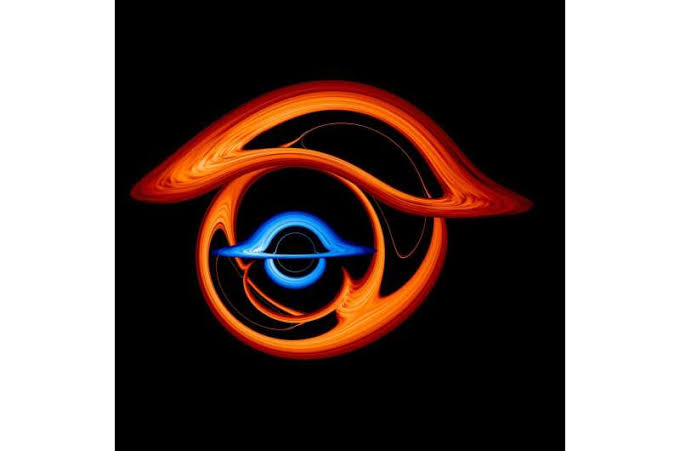
Black holes are some of the most mysterious objects in the universe, but they aren't always silent. When two black holes are close enough to each other,...
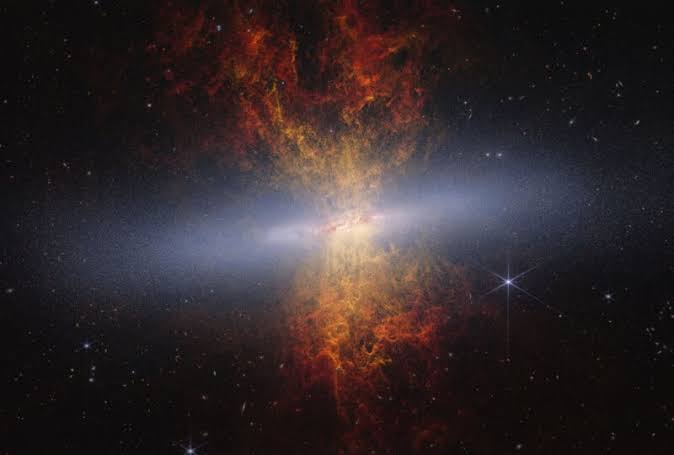
The James Webb Space Telescope observed Messier 82, also known as the Cigar galaxy, for nearly three days and captured 16.5 million stars.
A new study offers a glimpse into the evolutionary path toward human language—through laughter.
Scientists remain skeptical, plead for someone to bring the rocks home.
A study published in Nature Physics provides new molecular-level evidence from simulations that liquid water is not a single uniform substance,...
For most of human history, our view of “close to the Sun” was defined by the orbit of Mercury, with its 88-day orbit and barren, baking surface.
An intense demolition derby of at least six galaxies smashing into one another has been found lurking in the early universe by the James Webb Space...