Sonic boom advisory in place for Space Coast on Saturday
Residents of Brevard, Orange, Osceola, Indian River, Seminole, Volusia, Polk, St. Lucie and Okeechobee counties may hear one or more sonic booms.
Science news from Google News (RapidAPI).
7586 articles
Residents of Brevard, Orange, Osceola, Indian River, Seminole, Volusia, Polk, St. Lucie and Okeechobee counties may hear one or more sonic booms.
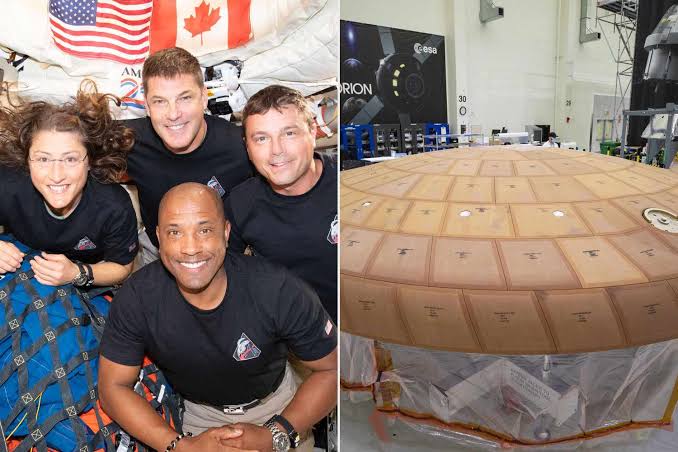
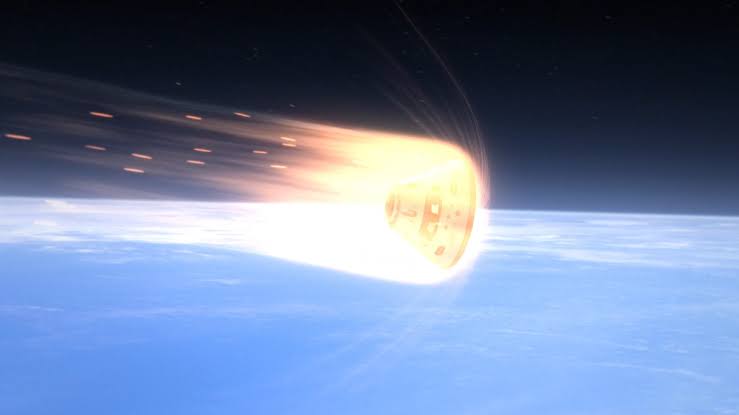
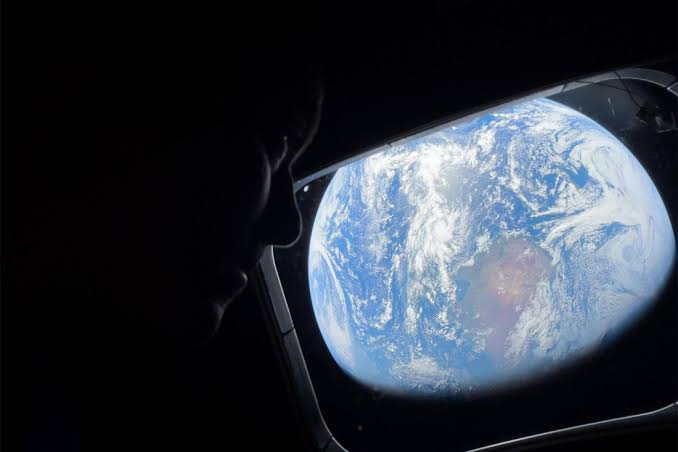
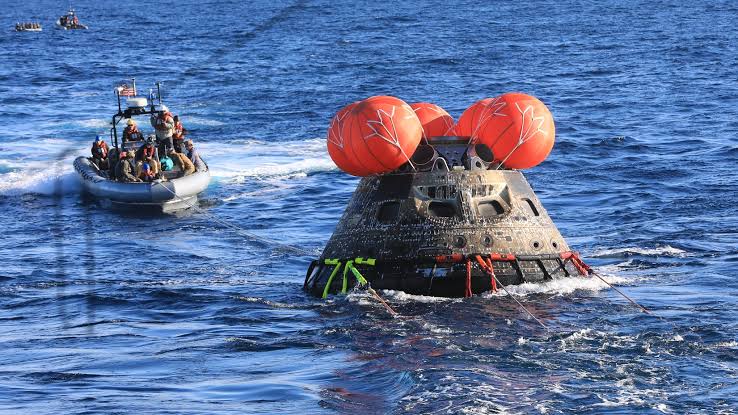
The four astronauts aboard NASA's Artemis II mission are about to plunge through the atmosphere toward Earth, after a successful visit to the moon.
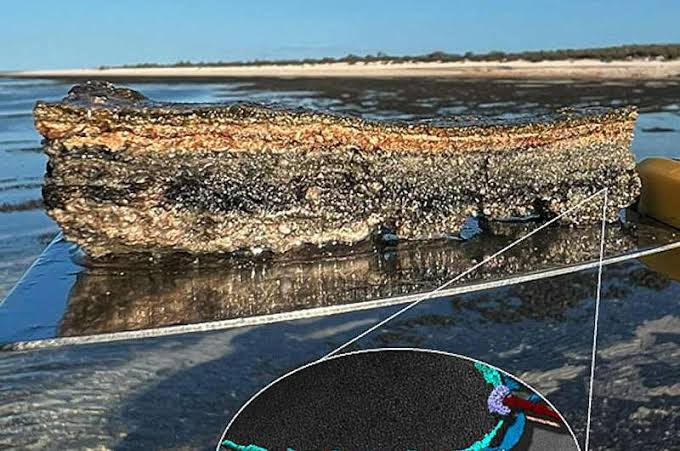
On the shores of the west coast of Australia lies a window to our past: the stromatolites and microbial mats of Gathaagudu (Shark Bay).
Houston's relationship with spaceflight hasn't changed since we last went to the moon, but the city is different from what it looked like in 1972.
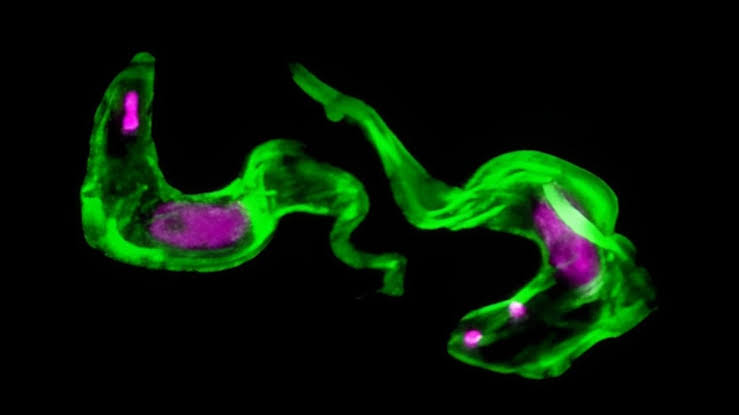
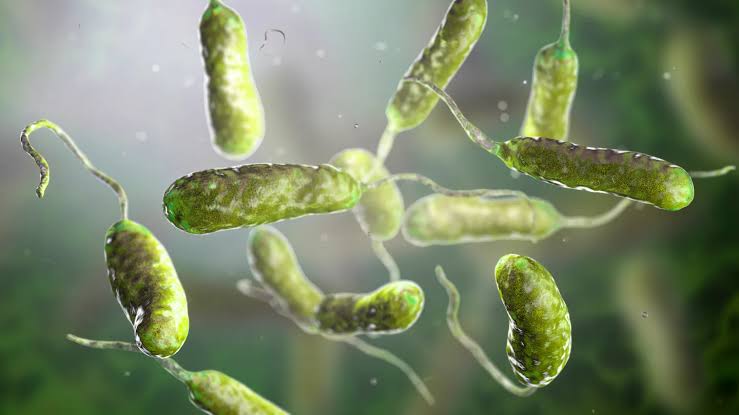
The tropical disease known as sleeping sickness is caused by the African Trypanosoma brucei parasite. For decades, scientists have been unable to pin down...
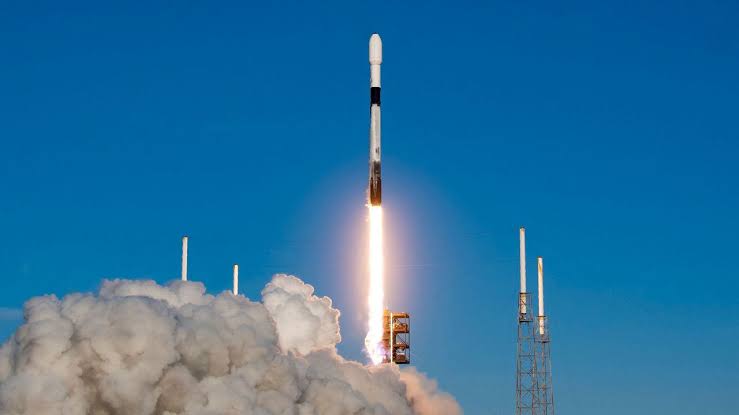
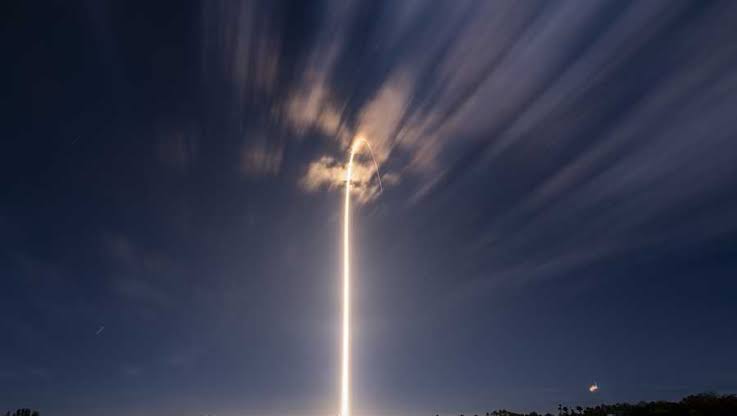
SpaceX launched the NG-24 mission from Cape Canaveral Space Force Station's Space Launch Complex 40 on Saturday.

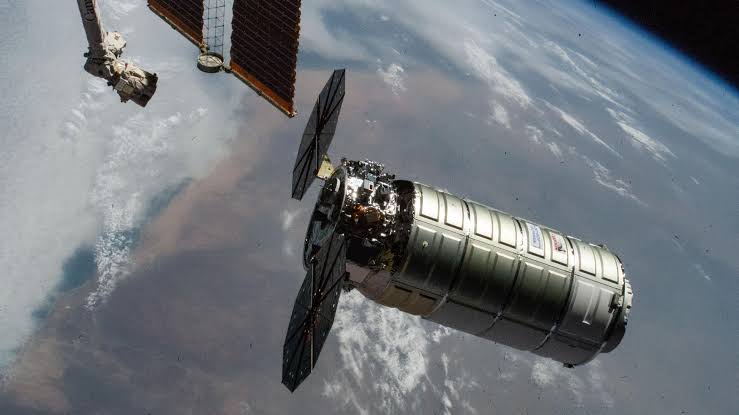
Northrop Grumman's Cygnus XL cargo spacecraft sits atop a SpaceX Falcon 9 rocket counting down to a launch targeted at 7:41 a.m. EDT on Saturday to resupply...
North America wouldn't look much like it currently does without a tectonic plate that has largely been lost to the Earth's geological history.
The Artemis II crew is about to face what experts are calling the most dangerous part of their mission: returning home.
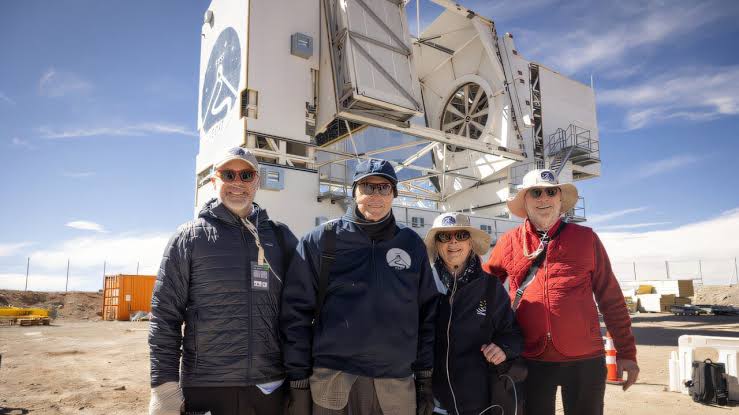
Thirty-four years after Cornell University scientists first conceived it, the Fred Young Submillimeter Telescope (FYST) now rises above the Atacama Desert,...
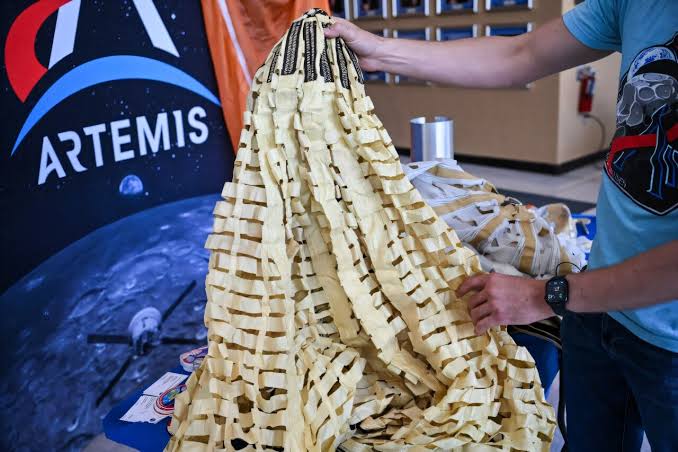
As the Orion spacecraft hurtles home, friction caused by reentry into Earth's atmosphere will drastically decrease its speed from a potential 25000 miles...
After successfully completing their mission to the Moon, the Artemis II crew is about to return to Earth. The four astronauts set a new record for how far...
When the Artemis 2 Orion crew capsule returns to Earth after flying around the moon, it will hit the discernible atmosphere some 75 miles above the Pacific...
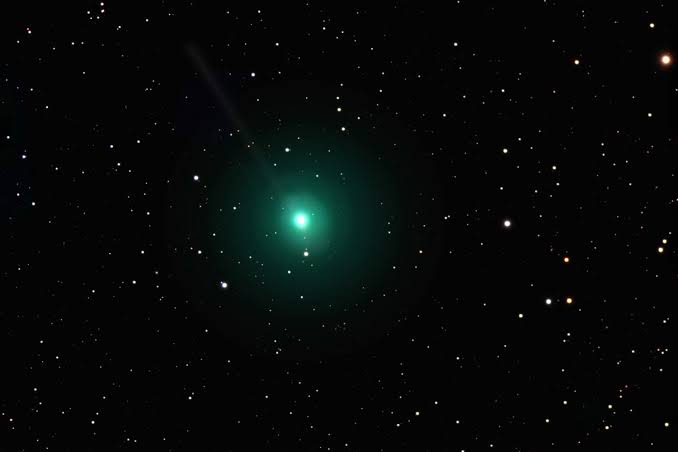
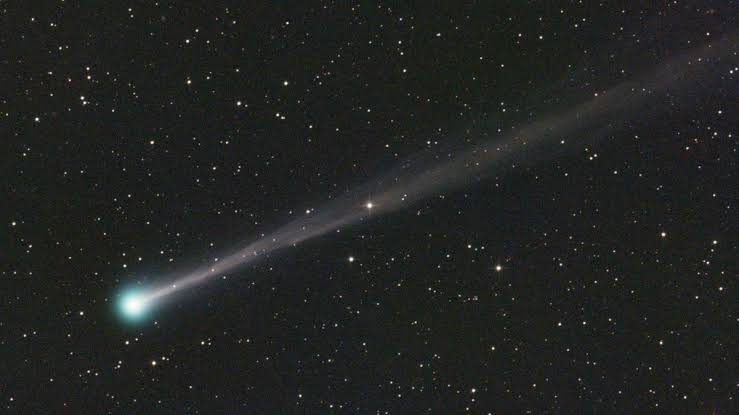
Comet C/2025 R3 (Pan-STARRS) is becoming brighter as it approaches the inner solar system, and it will become easier to spot in the next few days.
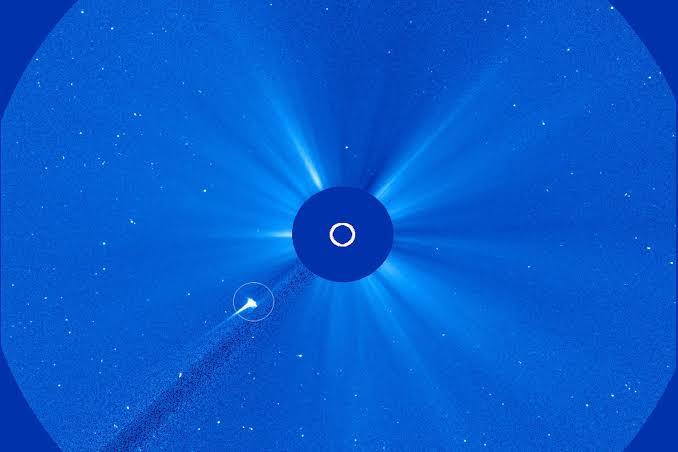
Comet MAPS (C/2026 A1) didn't survive its close encounter with the Sun, ruining its chances of brightening up the night skies.
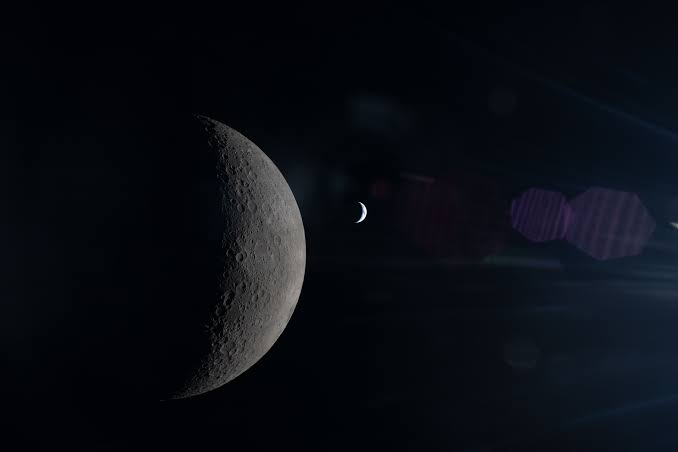
Seen during Artemis II's lunar flyby on April 6, 2026, the Moon and Earth align in the same frame, each partially illuminated by the Sun.
A rare long-period comet returns after 170000 years — here's how to find comet C/2025 R3 (Pan-STARRS) before sunrise this April, with key dates,...
Pohlsepia mazonensis, a visually underwhelming fossil from Illinois, fundamentally broke our understanding of cephalopod evolution.
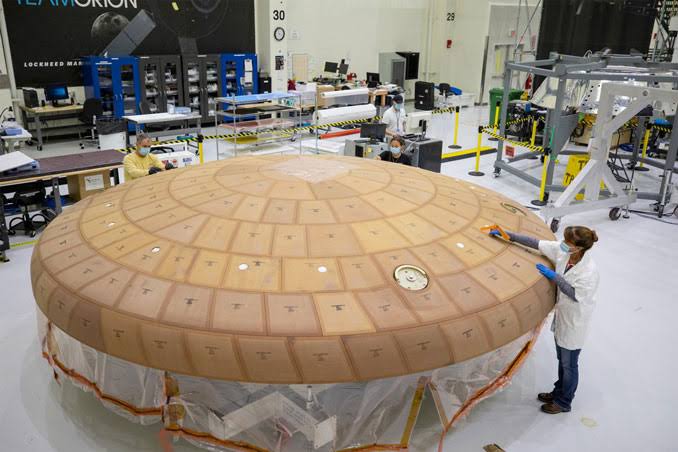
Jacqueline McCleary, an assistant professor of physics, said the odds of the Orion capsule's heat shield failure are largely uncertain.
NASA's Artemis II heat shield is about to face its ultimate test as the Orion crew prepares for reentry. Physics and data science lecturer Ed Macaulay tells...