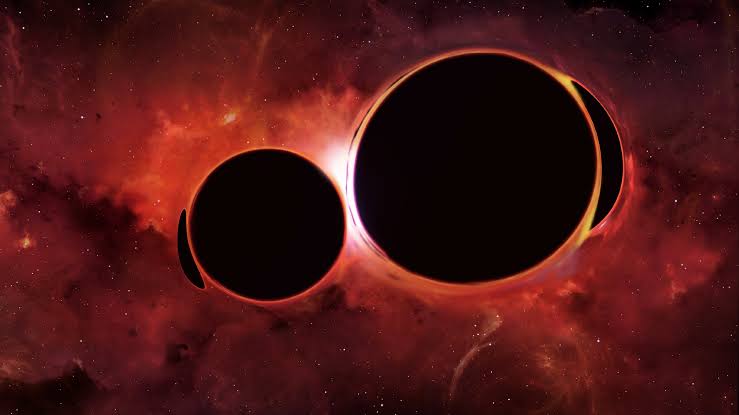
2 supermassive black holes may collide 100 years from now — and Earth would feel it

In a galaxy 500 million light-years away, two supermassive black holes could merge, spreading gravitational waves across the universe.
Science news from Google News (RapidAPI).
7586 articles
In a galaxy 500 million light-years away, two supermassive black holes could merge, spreading gravitational waves across the universe.
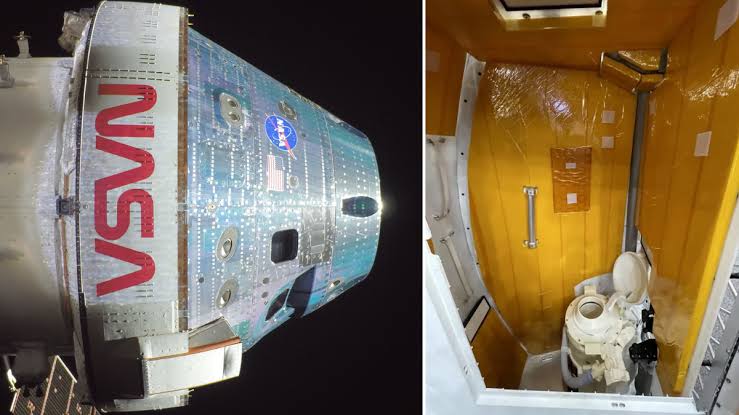
Artemis 2's groundbreaking space toilet doesn't deserve the bad press it's gotten over the past two weeks, according to mission commander Reid Wiseman.
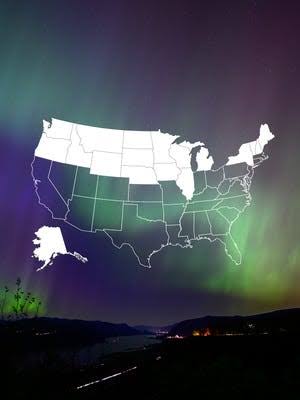
Skywatchers, it's time! If you live in certain parts of the United States you may have a chance to view the northern lights tonight.
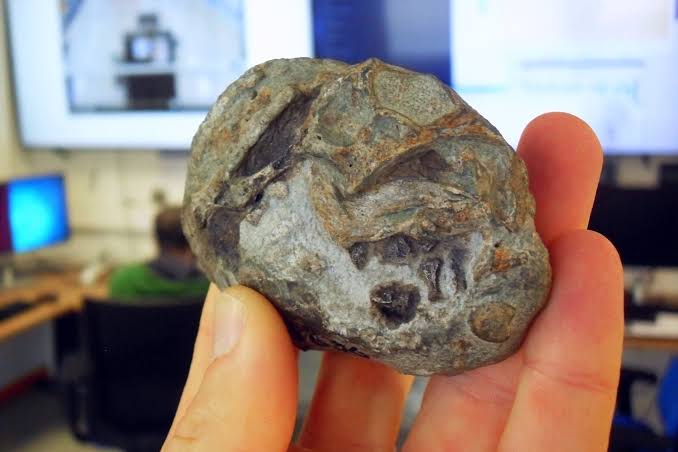
The small, plant-eating Lystrosaurus thrived post-extinction, while its predators suffocated to death. Its eggs played a critical role.
Vlad Link was on the team who entered the capsule to evaluate the four astronauts after they completed their historic nine-day mission to the moon.
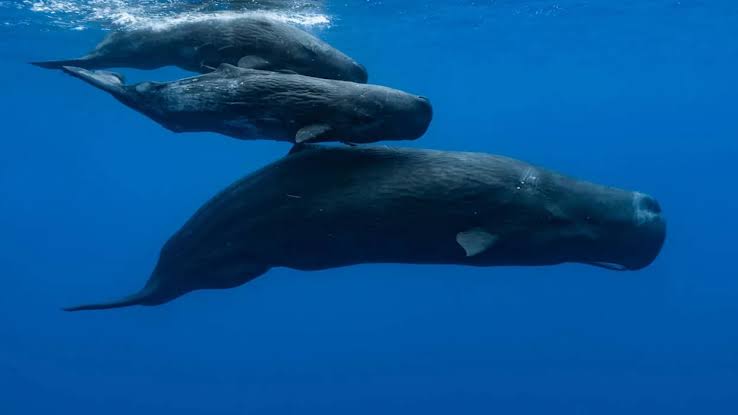
Parade Pets and Yahoo may earn commission from links in this article. Out in the open ocean, long before we ever understood it, something has been happening...
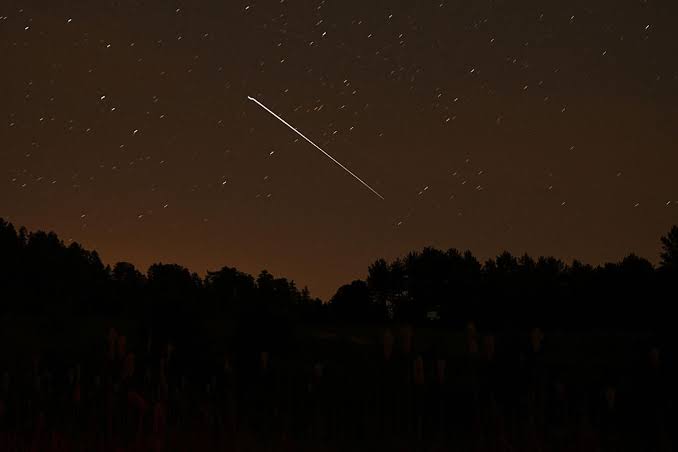
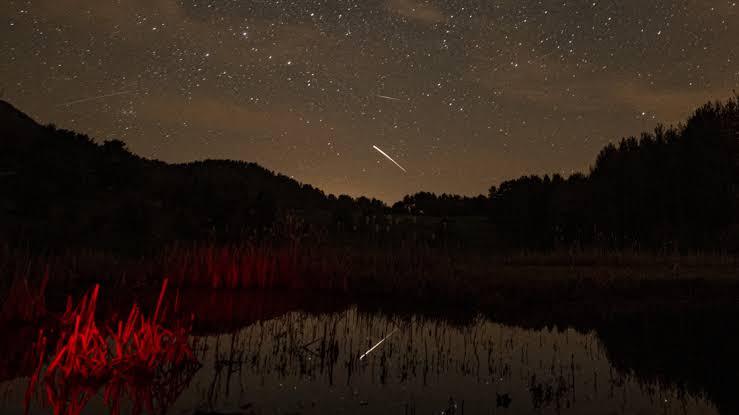
One of the oldest meteor showers recorded by humans began this week—but don't worry, there's still plenty of time left to see it.
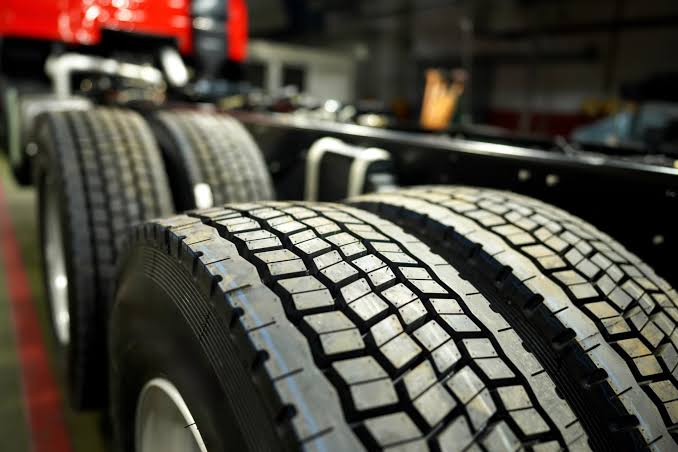
Plenty of familiar phenomena and materials are actually scientific mysteries. Reinforced rubber has long been on that list: why is it so efficient in so...
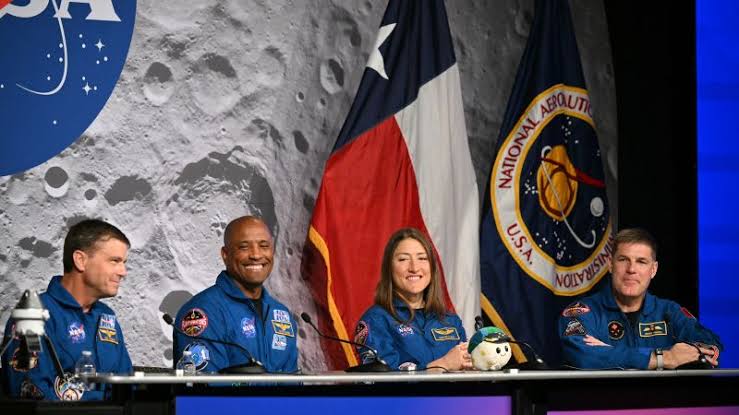
The four Artemis II astronauts, fresh off a bold and risky mission that captured the hearts of a world in tumult, took questions Thursday for the first time...
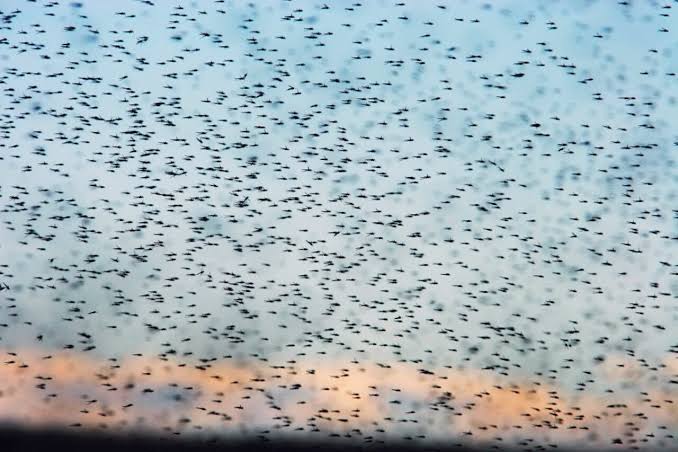
Until recently, Iceland was considered the last Arctic nation without mosquitoes. That changed in October 2025, when insect enthusiast Björn Hjaltason...
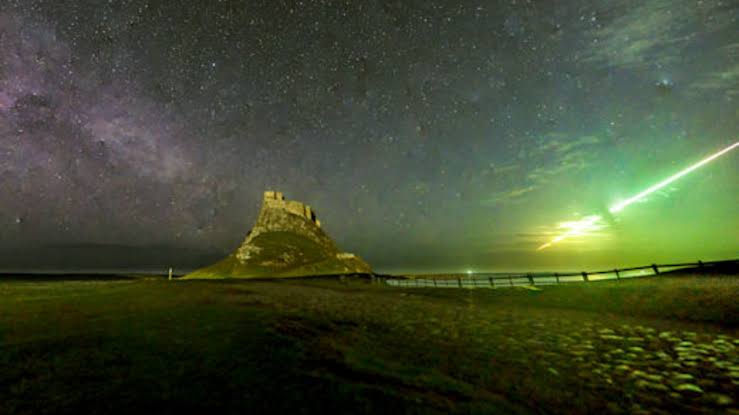
Photographers caught a spectacular emerald-green fireball meteor streaking above Lindisfarne in northeast England, where Viking raiders famously killed and...
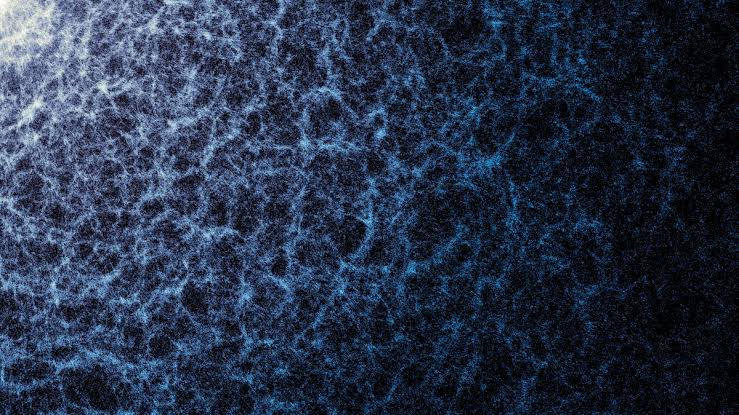
A new map of the cosmos, including more than 47 million galaxies and other cosmic objects, represents one of the most extensive surveys of our universe ever...
The Lyrid meteor shower has begun! Here's what to expect as the shooting star display brightens the spring night sky, when it peaks and how to know if...
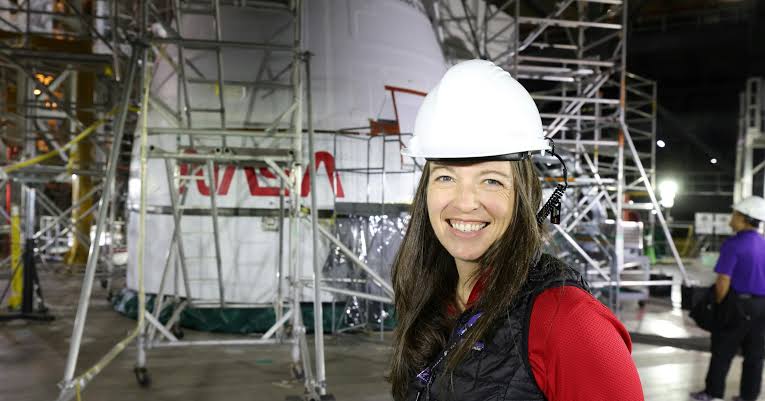
Clear, starry skies of northern Minnesota inspired Branelle Rodriguez's NASA career, which reached new heights with the Artemis II mission.
A 550-million-year-old sponge is filling a massive gap in the history of early life on Earth. What did scientists uncover?
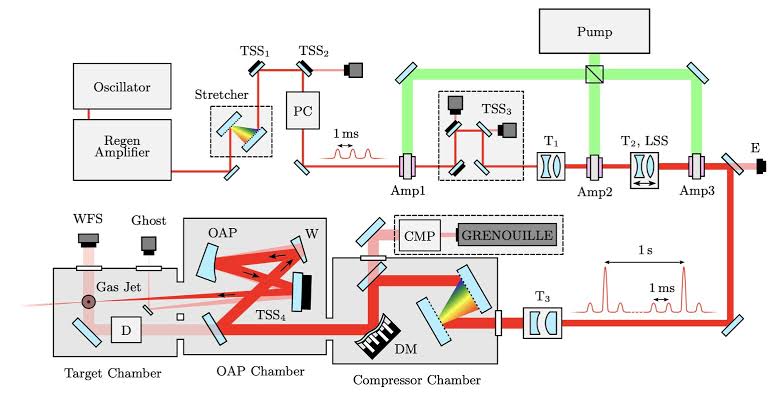
For the first time, researchers have demonstrated that a laser-plasma accelerator can reliably drive a free-electron laser for more than eight hours.
Researchers hail the achievement as a major milestone in cosmology, with the data now available for global scientific analysis.
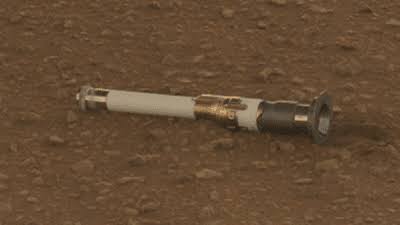
While we will have to wait a long time for samples collected on Mars to be returned to Earth, we do have Martian rock sent to us the old-fashioned way...
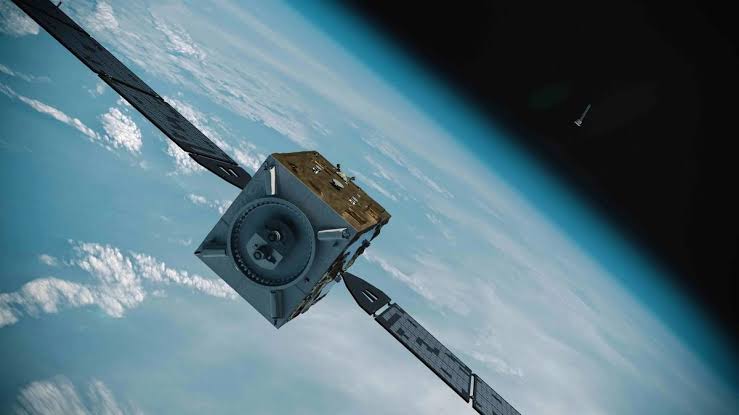
Astroscale's 2027 ISSA-J mission will mark the first attempt to inspect multiple spacecraft across different orbits in a single flight.
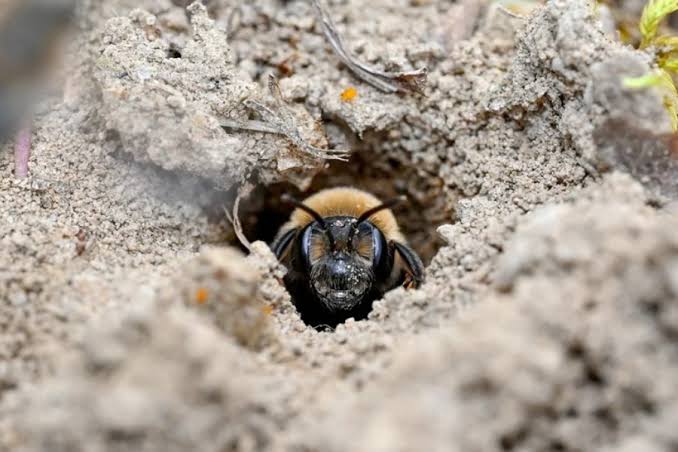
The discovery began by chance in 2022 when a Cornell University technician noticed large numbers of bees in the cemetery and brought samples to the lab.