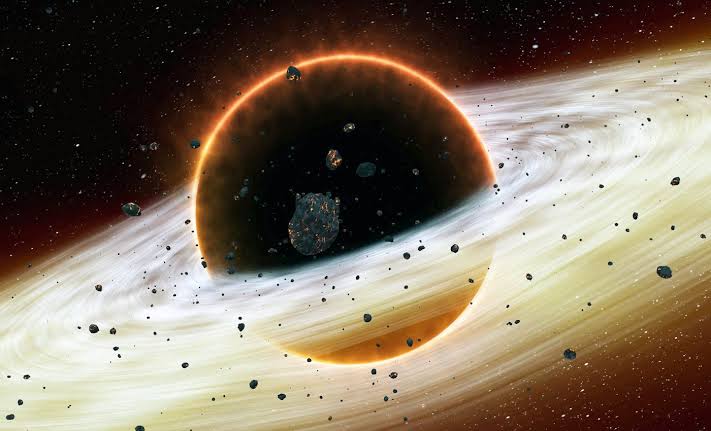
Astronomers find a black hole so massive its galaxy may never stay balanced
A supermassive black hole, ULAS J1120+0641, outgrows its galaxy and disrupts the cosmic balance, revealing a mystery of the early universe.
Science news from Google News (RapidAPI).
7586 articles
A supermassive black hole, ULAS J1120+0641, outgrows its galaxy and disrupts the cosmic balance, revealing a mystery of the early universe.
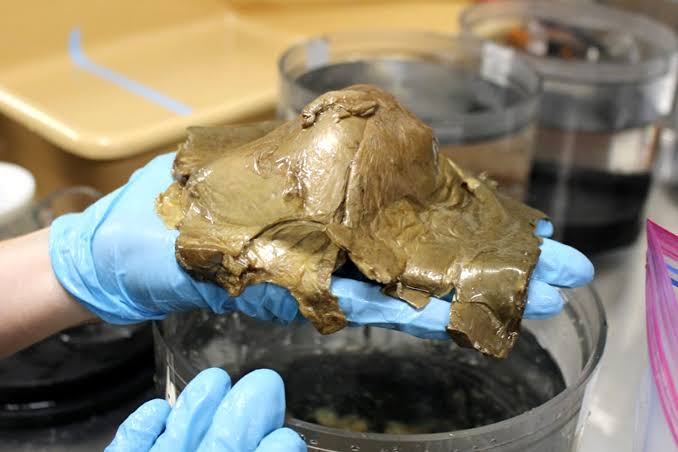
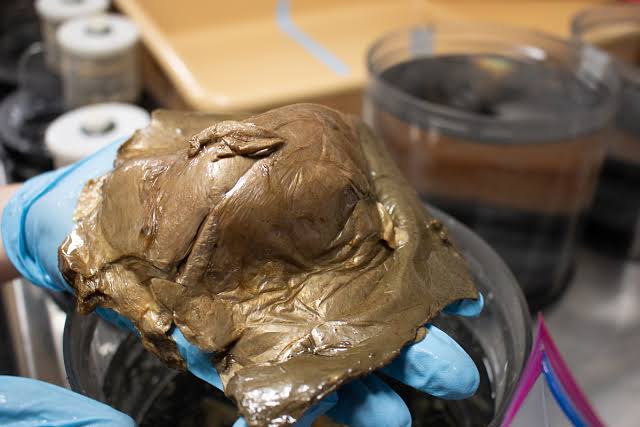
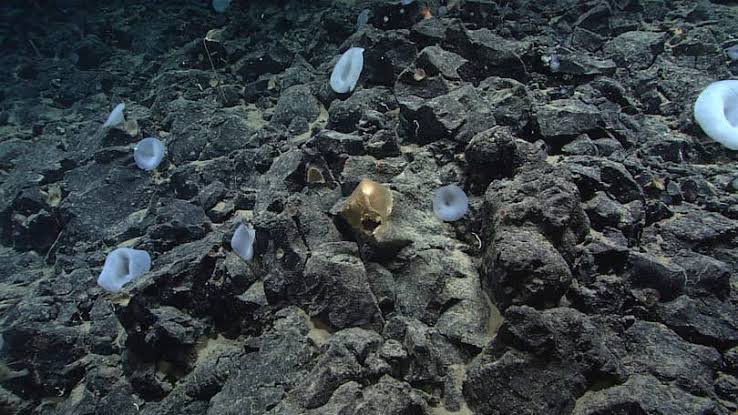
In August 2023, scientists on an exploration expedition off the coast of Alaska discovered a "golden orb." More than two years later, NOAA announced that...
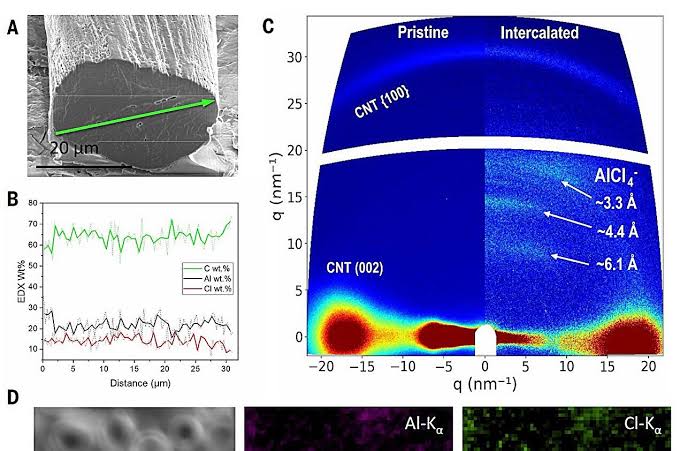
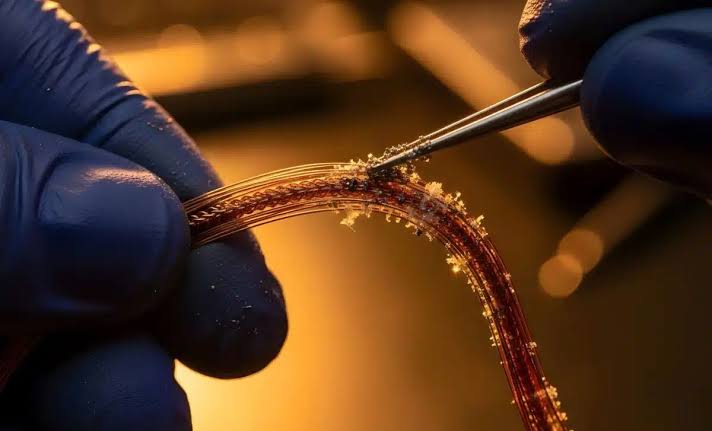
Carbon nanotubes are one technology that many observers believe hasn't quite lived up to the extreme hype that surrounded them when they first appeared on...
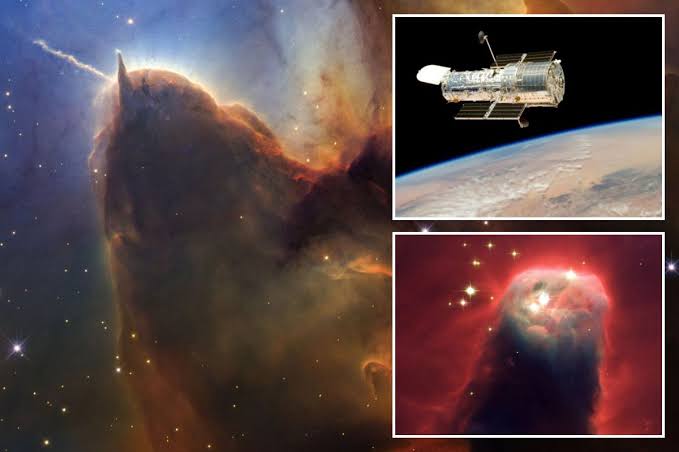
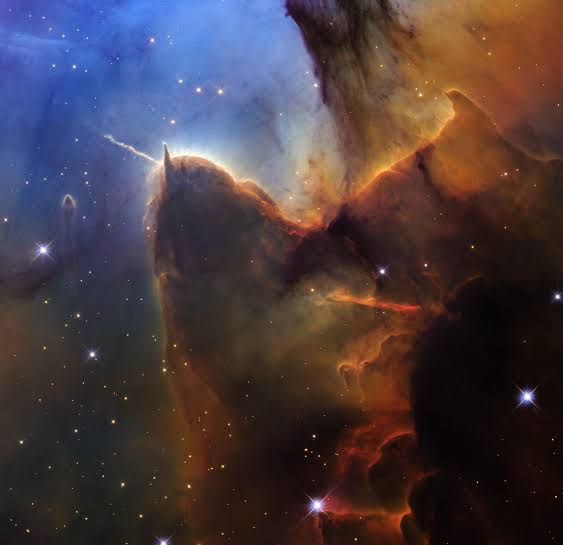
NASA is celebrating the 36th anniversary of the Hubble Space Telescope in Earth's orbit, sharing a new image of the Trifid Nebula, nicknamed the “Cosmic Sea...
When a National Oceanic and Atmospheric Administration research project discovered a mysterious object more than two miles underwater in the Gulf of Alaska,...
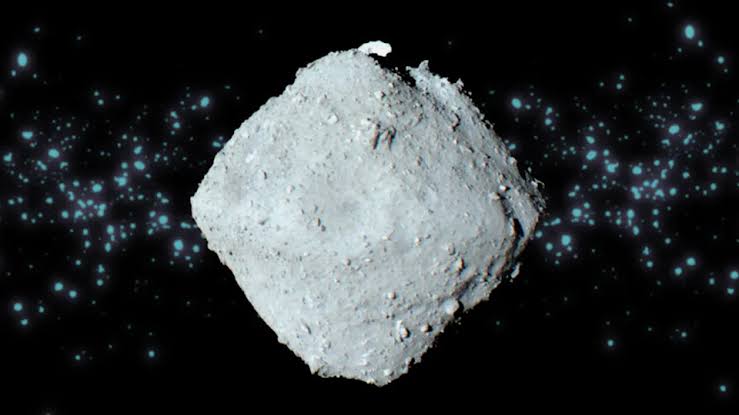
Samples of Ryugu returned to Earth by the Hayabusa2 spacecraft show that the asteroid bears the scars of a recent bombardment by tiny space rocks.
A two-and-a-half-year-old mystery of a "golden orb" found on the ocean floor has finally been solved. It all started when scientists discovered a mysterious...
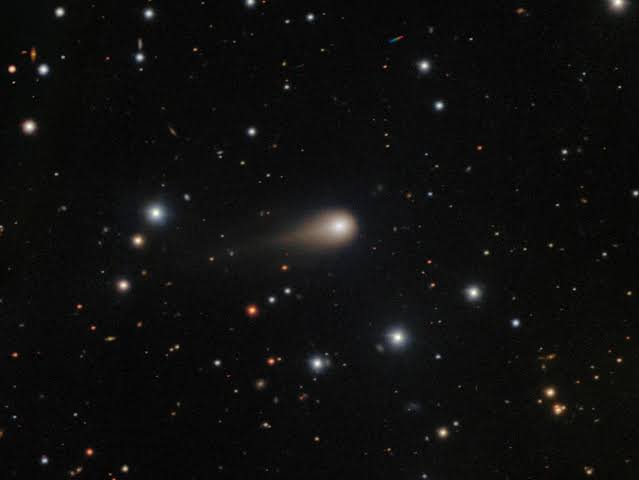
Comet 3I/ATLAS, an object from another star that was found speeding through our solar system last summer, is now fading from telescopic view as it retreats...
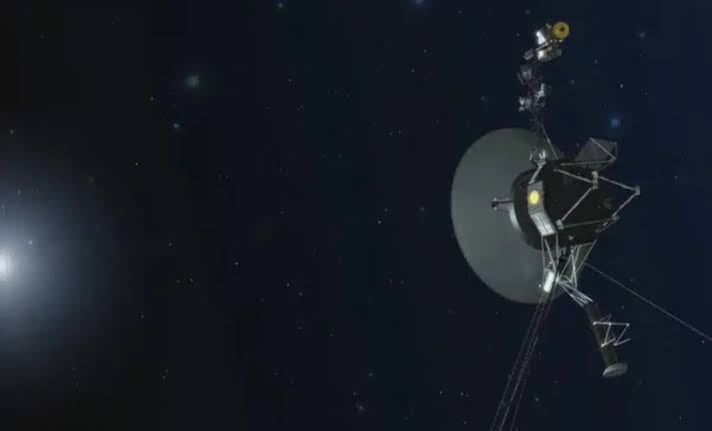
In late 2026, Voyager 1 will become the first human-made object to reach a full light-day from Earth, but there's more to this story than just distance.
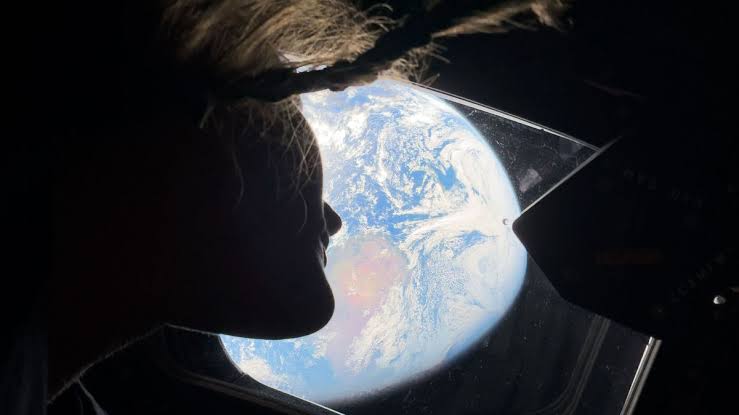
A week after the Artemis 2 moon mission ended, NASA astronaut Christina Koch struggled to walk in a straight line during a blindfold test.
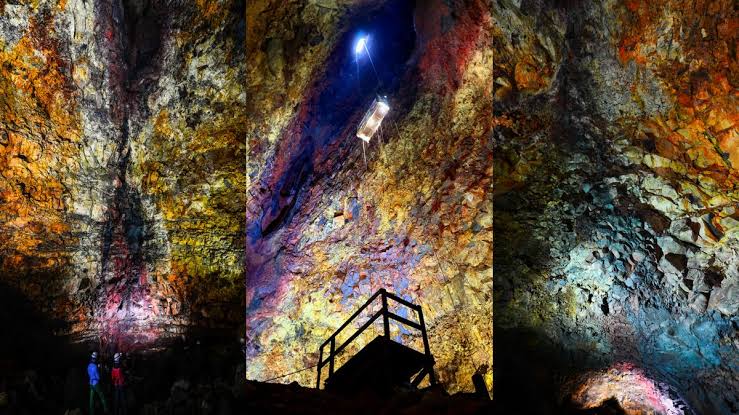
Thríhnúkagígur is a volcano near Reykjavík in Iceland with an empty magma chamber decorated with vivid colors that scientists and tourists can access via an...
This shimmering region of star-formation, a close-up of the Trifid Nebula about 5000 light-years from Earth, was captured in intricate detail by.

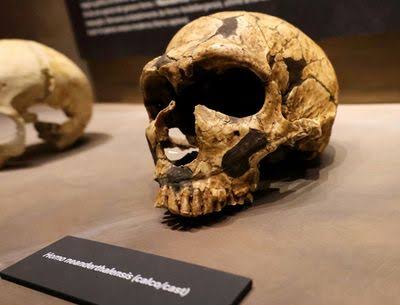
A small pocket of northwestern Spain may have been home to one of last Neanderthal populations ever to exist, just as the species was beginning to be...
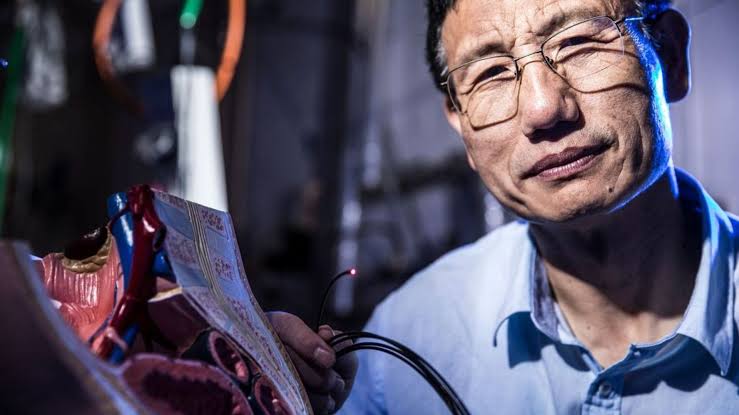
Australian physicist has developed a device that can bend light using gravity and has applications in areas of defense, mining and geosciences.
The European Space Agency has provided additional detail in response to claims made by NASA Administrator Jared Isaacman regarding the condition of Gateway...
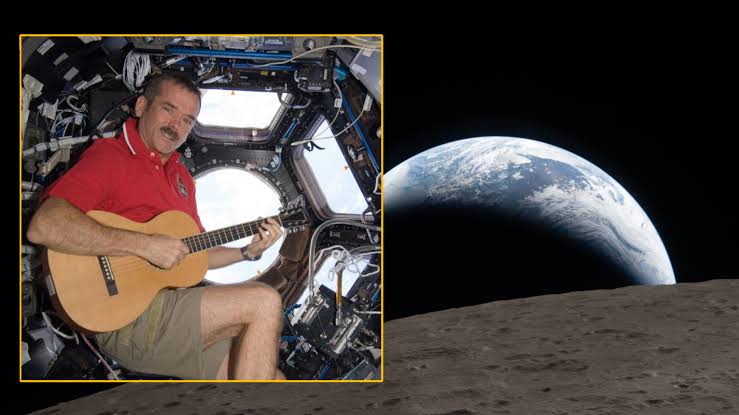
Astronaut Chris Hadfield shares his emotional response to the Artemis II mission, and why it could change the course of people's futures.
It's not every day you hear about worms being sent to space. What could these tiny creatures possibly have to do with the future of space exploration?
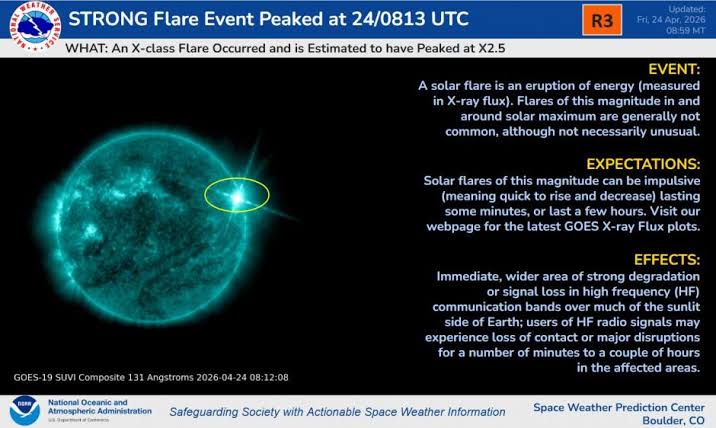
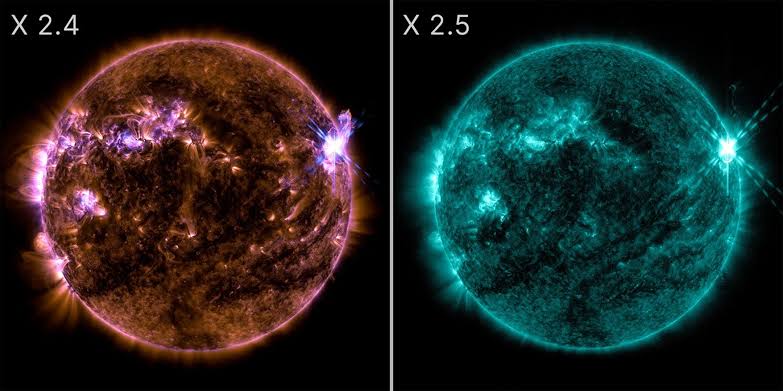
X2.5 flare (R3-Strong) observed at 24/0813 UTC from near NW solar limb. Appears to originate just NW of active Region 4419. Monitor our webpage for updates.
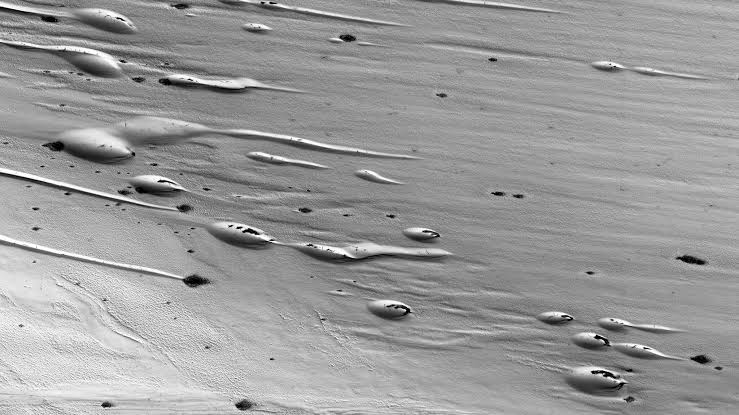
Springtime has arrived at the Red Planet's Chasma Boreale, as this photo by NASA's Mars Reconnaissance Orbiter shows.
The Sun emitted two strong solar flares, the first peaking at 9:07 p.m. ET on April 23. The second strong solar flare peaked at 4:13 a.m. ET on April 24.