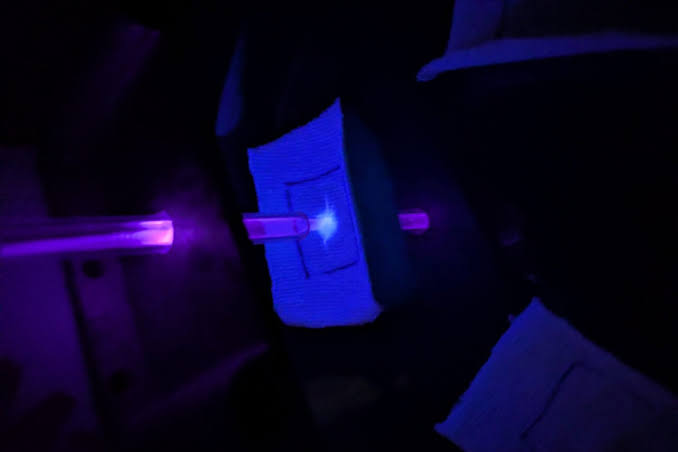
Scientists Found 40,000-Year-Old Frozen Microbes in an Alaska Tunnel...Six Months Later, They Became Active Again
These microbes spent 40000 years trapped in ice beneath Alaska. Once thawed, their delayed reaction surprised researchers.

Science news from Google News (RapidAPI).
5796 articles
These microbes spent 40000 years trapped in ice beneath Alaska. Once thawed, their delayed reaction surprised researchers.
Dark points within light waves can travel faster than the waves themselves. This finding, which is based on new measurements by researchers at Technion...
In this excerpt from The Story of Birds, author Steve Brusatte explores the moment where paleontologists realized they had critical evidence to show birds...
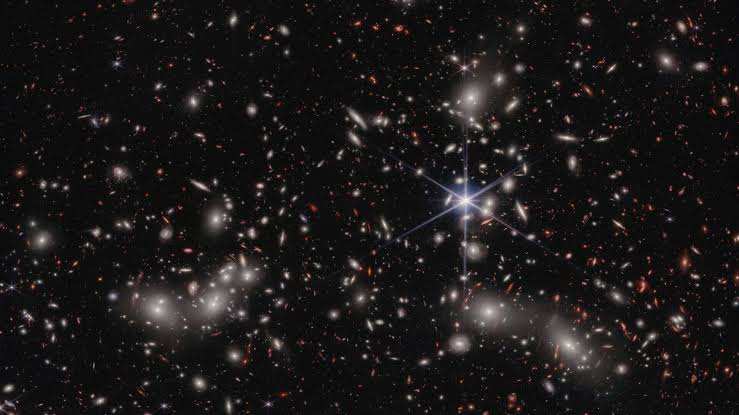
Understanding the universe as a whole requires simulations on cosmic scales. An international team of astrophysicists, with a leading role for researchers...
Scientists find Earth formed mainly from inner Solar System material, with little input from outer regions, based on new isotopic analysis.
Physicists in China claim to have simulated a "false vacuum decay" event using a lab-based "tabletop" experiment.
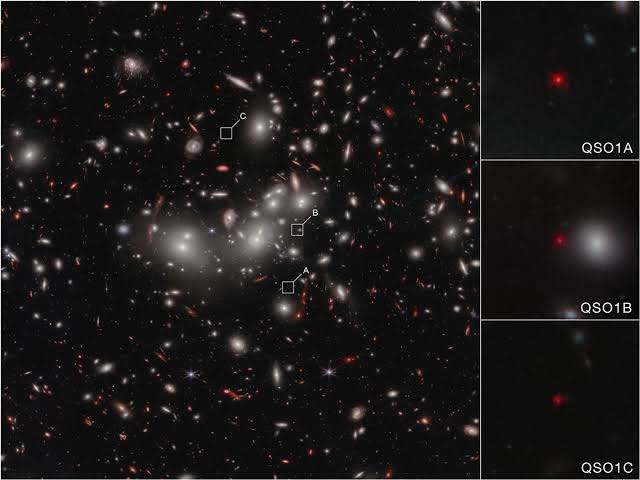
An international team of astronomers has employed the Atacama Large Millimeter/submillimeter Array (ALMA) to perform high-resolution observations of the...
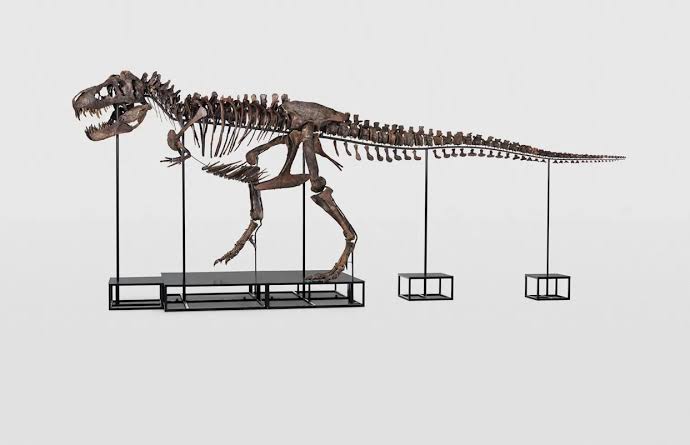
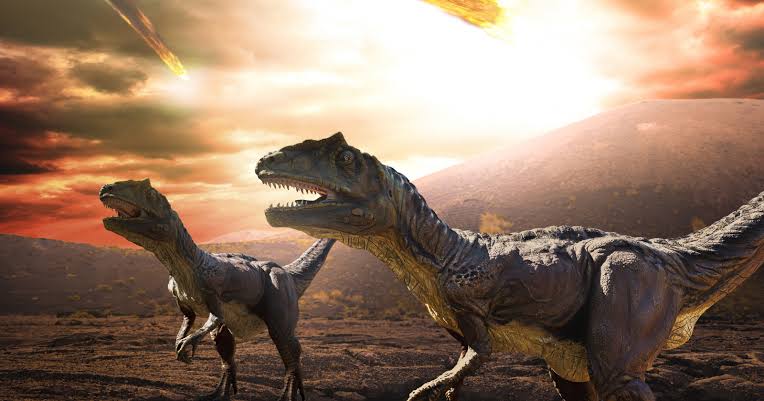
Scientists just rewrote everything Hollywood taught us about T. rex. The real predator moved nothing like the movies showed, and the truth is far stranger.
BREVARD COUNTY, Fla. – After weather forced a scrub on Monday, SpaceX is targeting a Wednesday morning Falcon Heavy launch from Florida's Space Coast.
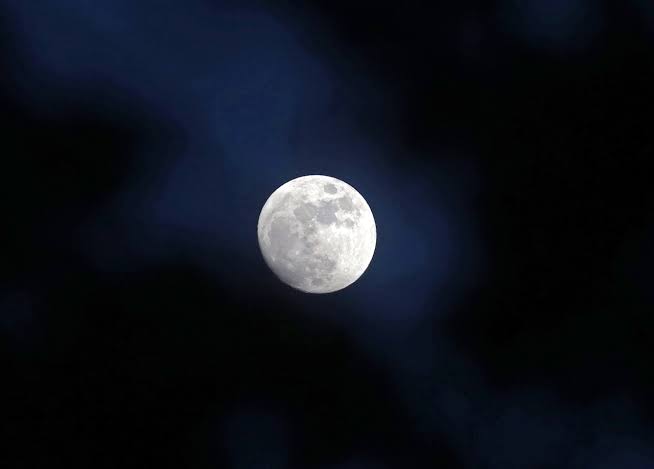
A micromoon is a full or new moon that occurs when the moon is roughly at its farthest from Earth in its orbit. The moon takes about a month to orbit Earth...
If you look at a Neanderthal skull and a Homo sapiens skull, they're visibly different: Neanderthal skulls are lower and longer, whereas ours tend to be...
Scientists have discovered the remains of a giant marine reptile that grew up to over 20ft in length and terrorised the seas over 180 million years ago,...
When you're that massive, you don't have to orbit the Sun.
According to a new study by astrophysicists at the University of Lancashire, planets may indeed form more easily around binary stars than around single...
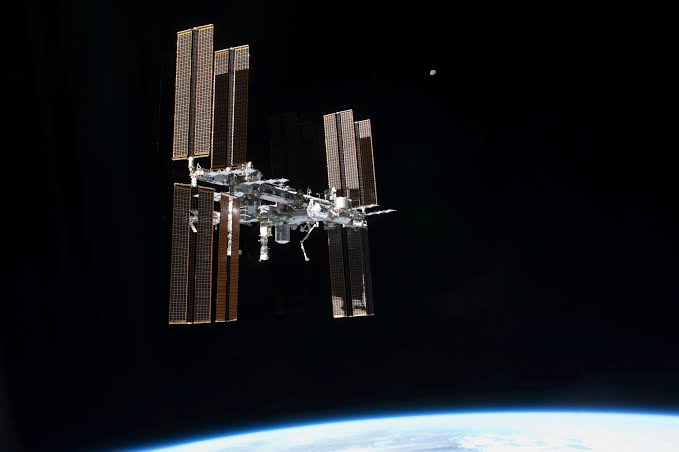
A manufacturing issue involving a European company has resulted in corrosion in modules for both the lunar Gateway and a commercial space station.
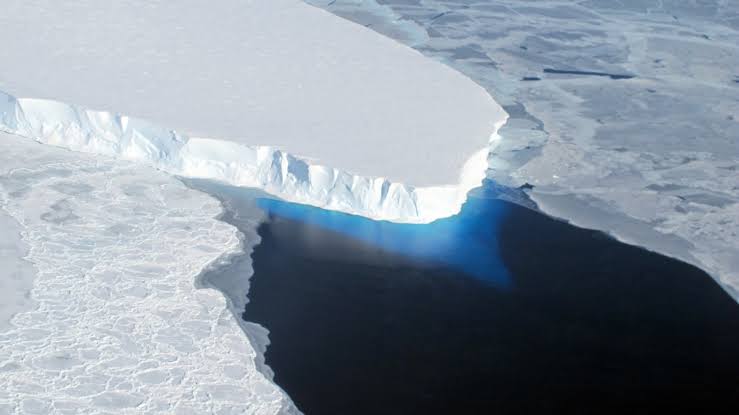
The upwelling of warm Circumpolar Deep Water is a key process in the global climate system, transporting heat, nutrients, and carbon poleward towards...
Recent surveys hint that the rate of cosmic expansion changes dramatically over time; if that's true, then the universe could end much sooner than we...
The ongoing military conflict regarding Iran and the Strait of Hormuz may well mirror a future situation off-Earth — the use of cislunar space, the region...
Scientists were able to analyze data on the brightness of tens of millions of stars observed by the TESS space telescope.
A new decades-long study, based on long-term ocean measurements collected by ships and robotic floating devices, shows that a warm mass called “circumpolar...